Why Americans Spent a Fortune to Watch a Quiet Game
Golf souvenirs are a symbol of American buying power, and growing debt


The recent Masters Tournament is an easy drive from Atlanta to Augusta.
Every April, it feels as if the South puts on its best bow tie and shows off for the world.
It’s Masters time, I say to nobody in particular, walking the dogs as the azaleas erupt into jazzy pinks, purples, and whites.
At this time of year, the humidity has not yet arrived. The light is soft. Spring behaves itself.
And so does everyone at Augusta National.
Nobody runs, shouts and phones are banned. The leaderboard is still updated by hand. It is a place that insists on order: old rules, old manners, old South.
They do not even call the crowd a crowd. They call them patrons. And yet, walk a short distance from the 18th green and you hit something far less restrained.
The merchandise tent, for one week, is the most lucrative pop-up street vendor in the USA.
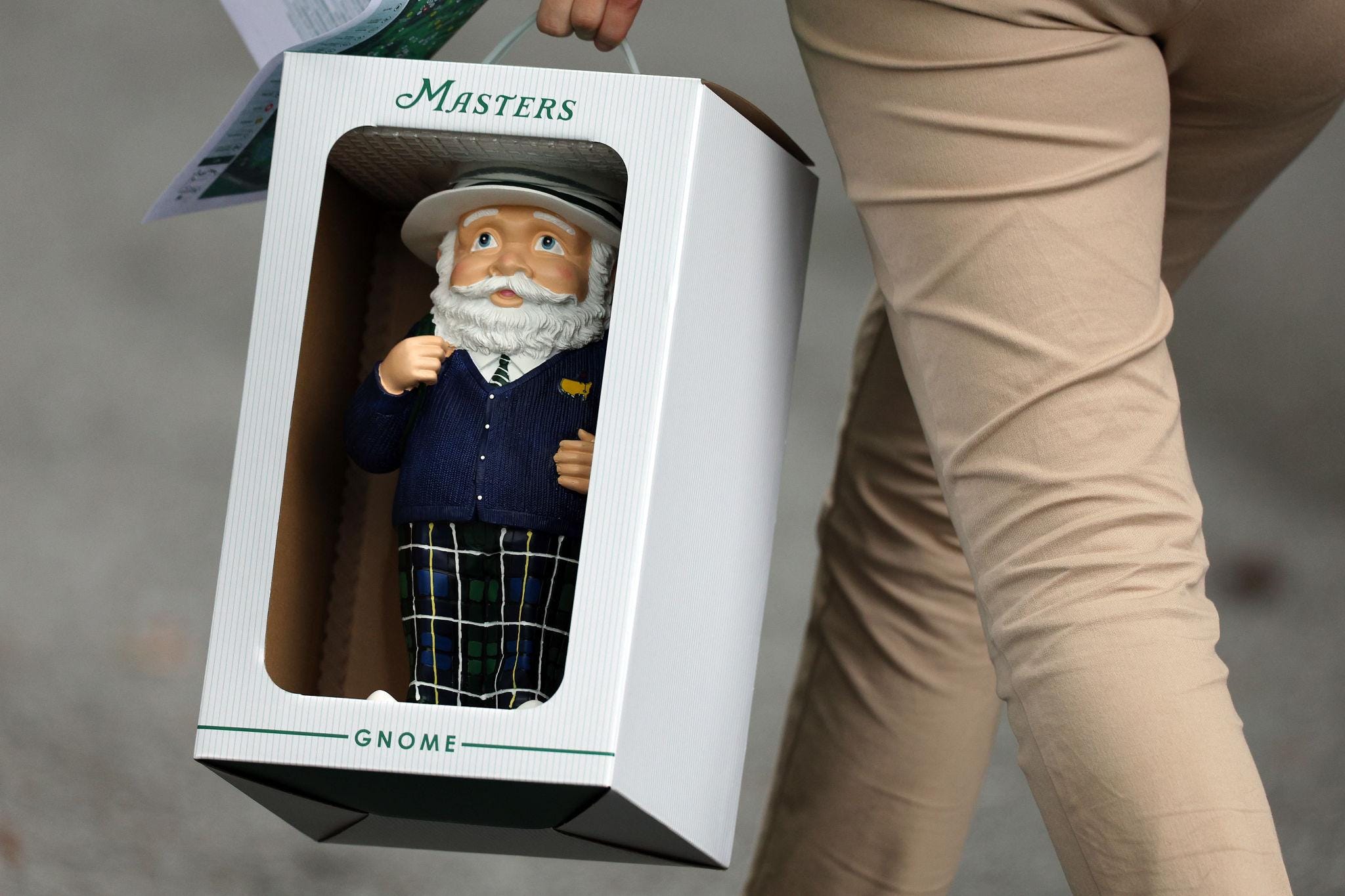
Estimates suggest patrons spend around $70 million there during Masters week. On average patrons drop about $1,000 each on exclusive branded hats, shirts, quarter-zips, flags, tumblers, socks, and garden gnomes.
The gnomes are a big deal apparently; a 2016 edition, wearing an Arnold Palmer sweater and still in its box, recently sold at auction for $28,000.
That is full-throttle American capitalism, wrapped in Masters green and served beside an egg salad sandwich.
The Most Expensive Round in America
Like many Georgians, I have never been. It’s one of the most coveted invitations in sport.
So I watch from afar, usually scanning for the South Africans - my countrymen - who have long punched above their weight at Augusta. Even if you can’t tell the difference between a putter and a driver, you know who Gary Player is.
I saw the Masters merchandise numbers the same day I read another article about the growing U.S. debt. I thought: same story, different course.
Patrons and politicians have both been spending freely - left, right, and straight down the fairway.
The United States now carries national debt well above $30 trillion. Each year, Washington spends roughly $1.5 to $2 trillion more than it brings in. That annual shortfall - the deficit - has become an expensive habit.
And it is a bipartisan one. Both parties have taken turns at going big in the merchandise tent.
Playing Through
America is hardly alone. Japan, China, Italy and the United Kingdom all carry heavy debt loads.
But the United States has one extraordinary advantage: the dollar.
It remains the world’s reserve currency, backed by deep capital markets and a Treasury market investors still trust in moments of stress. Even now.
That gives America room few others enjoy because it can borrow at scale and push consequences further into the future.
So, many policymakers continue to behave like Masters patrons in the merchandise tent. They keep spending, even though they know it may be excessive. But, hey, the system still works, so they keep at it.
The Sand Trap
Treasury Secretary Scott Bessent has argued that stronger growth, deregulation, and an aggressive trading posture could help stabilize the debt burden over time. You don’t fix the scorecard, but instead play a harder game. That is the optimistic case.
The skeptical case is that unfettered borrowing remains politically easier than reform, and that future taxpayers will inherit the bill.
No matter, the game goes on. The national debt is not an issue on news bulletins, nor is it a rallying cry from the electorate to their representatives in DC. It’s hardly mentioned, ever. Distractions abound with every administration. Deals are done. Credit is handed out. Favors returned. Gnomes bought.
So, yes, the shop is doing record business.
But somewhere beyond the Georgia pines, the tab remains open.